On February 16th, 2026, at 2:02 a.m., a wrong-way driving incident occurred on the Dallas North Tollway near the Highway 35 on-ramp and Royal Lane. The driver, Michael Francis Coughlan, entered the tollway travelling northbound in
the southbound lanes.
Despite triggering roadway safety systems, such as flashing warning signs, sensors, and alerts to law enforcement, the driver remained on the road for nearly 8 minutes. Texas DPS troopers also attempted to intervene but were unable
to stop the vehicle. Ultimately, the driver collided head-on with a Land Rover, which resulted in serious injuries. Officials also suspect that the driver was under the influence of alcohol.
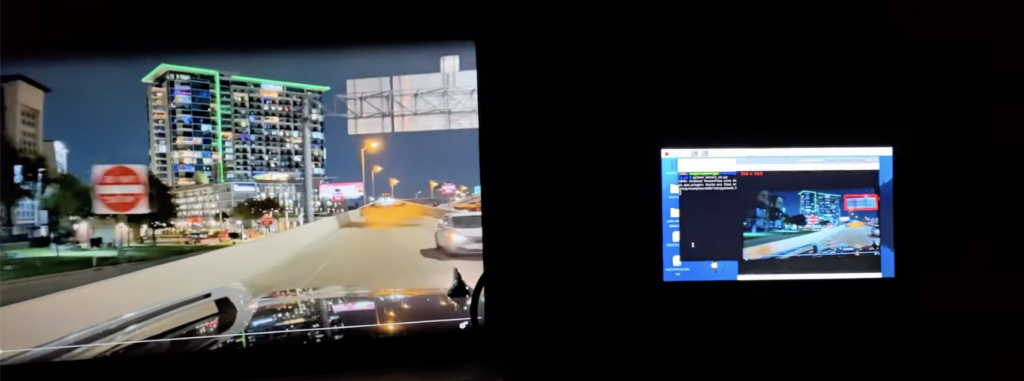
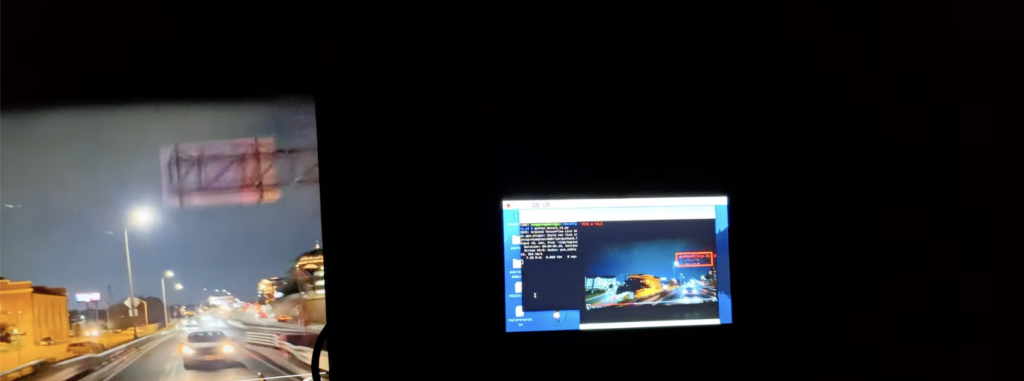
To understand how earlier intervention could change the outcome, I simulated the same scenario using an in-vehicle wrong-way driving detection system to alert the driver.
The system issued an initial alert within 15 seconds after the driver began travelling in the wrong directionContinuous alerts were triggered approximately 35 seconds after the initial warning
This is a major improvement compared to the original 8-minute duration of wrong-way driving. Instead of traveling miles in the wrong direction, the driver would have been alerted almost immediately, creating a much earlier opportunity
to recognize and correct the mistake.